The Philippine real estate landscape is experiencing a transformative shift as eco-conscious development takes center stage. Property buyers and investors are now looking beyond traditional amenities, recognizing that sustainable features directly impact long-term value and financial returns. This evolution reflects a global movement where environmental responsibility meets smart investment strategy.
The Rising Value of Green Real Estate in Today’s Market
Sustainable real estate development has moved from being a luxury consideration to a fundamental requirement in the modern property market. In Metro Manila and surrounding provinces, developers are increasingly incorporating green building technologies and eco-friendly design principles to meet growing consumer demand while enhancing property value.
The financial benefits of green buildings extend far beyond initial construction. Properties with sustainable features typically command higher rental rates, maintain stronger resale values, and attract quality tenants who prioritize environmental consciousness. For investors, this translates to more stable income streams and reduced vacancy rates compared to conventional properties.
Energy Efficiency as a Value Driver
Energy-efficient systems represent one of the most significant value propositions in sustainable real estate. Modern developments now incorporate LED lighting systems, energy-efficient air conditioning units, and smart building management systems that substantially reduce utility costs. These features particularly appeal to commercial tenants and residential buyers who face rising electricity rates in the Philippines.
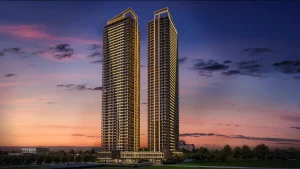
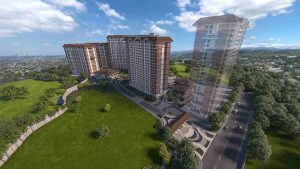
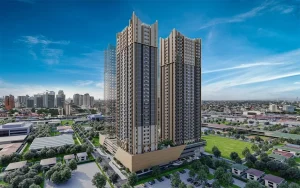
Properties equipped with solar panels, natural ventilation systems, and high-performance insulation can reduce energy consumption by 30-50% compared to traditional buildings. This reduction directly impacts operating expenses, making such properties more attractive investment opportunities. Developments like Mira Residences demonstrate how strategic location combined with energy-efficient design creates compelling value propositions for investors seeking sustainable returns.
Water Conservation and Cost Reduction
Water scarcity concerns across Metro Manila have made water-efficient features increasingly valuable. Modern green buildings incorporate rainwater harvesting systems, greywater recycling, and low-flow fixtures that can reduce water consumption by up to 40%. These systems not only lower utility bills but also ensure continuous water availability during supply disruptions.
For properties in developing areas outside Metro Manila, such as a condo in Cainta, Rizal, water conservation features provide competitive advantages while addressing local infrastructure challenges. Investors recognize that properties with robust water management systems maintain their appeal even during seasonal water shortages.
Improved Indoor Environmental Quality
The pandemic has heightened awareness of indoor air quality and health-conscious building design. Green buildings typically feature advanced ventilation systems, non-toxic building materials, and abundant natural lighting that contribute to occupant wellbeing. These features have proven particularly valuable in residential developments, where families prioritize health and comfort.
Properties that incorporate biophilic design elements, such as green walls, rooftop gardens, and extensive landscaping, command premium prices in the market. Studies show that residents in such environments report higher satisfaction levels and are willing to pay 7-10% more in rent or purchase price. Developments like Woodsville Crest exemplify how integrating nature into urban living spaces enhances both lifestyle quality and investment value.
Green Certifications and Market Recognition
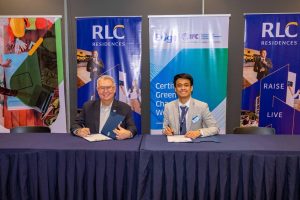
Third-party green building certifications such as LEED, BERDE, and EDGE provide objective validation of a property’s sustainability credentials. These certifications significantly impact market perception and financial performance. Certified buildings typically achieve 6-8% higher sale prices and 3-5% higher rental rates compared to non-certified properties.
For institutional investors and multinational corporations, green certification often serves as a prerequisite for property consideration. This requirement creates a tier system in the real estate market where certified properties access broader investor pools and more favorable financing terms. Philippine developers increasingly pursue these certifications to enhance competitive positioning and access international capital markets.
Regulatory Incentives and Future-Proofing
The Philippine government has implemented various incentives for green building development, including tax breaks, expedited permitting, and floor area ratio bonuses. These incentives improve project economics while demonstrating governmental commitment to sustainable development. Properties that comply with emerging environmental regulations avoid costly retrofitting expenses in the future.
As building codes become more stringent, properties with existing green features maintain compliance without significant capital expenditure. This future-proofing aspect protects investment value against regulatory obsolescence, making sustainable properties more resilient long-term investments. A condo in Cubao, Quezon City that incorporates green building standards today will maintain its competitive edge as environmental regulations evolve.
Market Demand and Demographic Shifts
Younger Filipino property buyers, particularly millennials and Generation Z, demonstrate strong preferences for sustainable living environments. This demographic shift creates sustained demand for green properties, ensuring better market liquidity and value appreciation. As this environmentally conscious generation accumulates wealth, their purchasing power will increasingly shape market dynamics.
Corporate tenants similarly prioritize sustainability in their real estate decisions, driven by ESG (Environmental, Social, and Governance) commitments and corporate social responsibility objectives. Commercial properties with green certifications attract premium tenants with stronger credit profiles and longer lease commitments, reducing investment risk while maximizing returns.
Conclusion
Sustainable real estate development represents a convergence of environmental stewardship and financial prudence. Green building features deliver tangible economic benefits through reduced operating costs, premium pricing, stronger tenant demand, and regulatory advantages. For investors in the Philippine real estate market, properties incorporating sustainable design principles offer superior risk-adjusted returns while contributing to broader environmental goals.
As climate awareness intensifies and resource constraints become more pressing, the value premium for green buildings will likely expand further. Whether considering a condo in Paranaque or properties in emerging growth areas like Sierra Valley Gardens in Cainta, investors who prioritize sustainability today position themselves advantageously for tomorrow’s market realities. The integration of green features is no longer optional but essential for maximizing real estate value in an increasingly environmentally conscious world.