The Philippine real estate landscape is experiencing a significant shift in consumer behavior. Today’s homebuyers are making more thoughtful, deliberate decisions when it comes to property investments. Rather than simply focusing on acquiring more square footage or the lowest price point, discerning Filipino buyers are now prioritizing quality, functionality, and long-term value in their home purchases.
This fundamental change in mindset reflects a broader evolution in the country’s property market, driven by changing lifestyles, economic awareness, and a deeper understanding of what truly constitutes a worthwhile investment.
Understanding the Shift in Homebuyer Priorities
The transformation in buyer preferences didn’t happen overnight. Several factors have contributed to this paradigm shift, particularly among millennial and Gen Z homebuyers who now comprise a significant portion of the real estate market. These generations have witnessed economic fluctuations, learned from previous generations’ experiences, and have access to vast amounts of information that help them make informed decisions.
Filipino families are increasingly recognizing that a home is more than just a physical space—it’s an investment in their quality of life, their family’s future, and their financial security. This realization has led to a more selective approach to property hunting, where buyers take their time evaluating options and refusing to compromise on essential features that matter most to their lifestyle.
Key Quality Factors Today’s Buyers Consider
Strategic Location and Connectivity
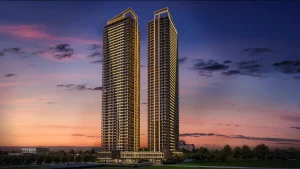
Location remains paramount, but the definition of a ‘good location’ has expanded. Modern homebuyers look beyond proximity to work areas and consider access to essential services, healthcare facilities, educational institutions, and lifestyle amenities. Properties like Mira Residences in Cubao exemplify this trend, offering residents strategic positioning that connects them to major business districts while providing immediate access to shopping centers, transportation hubs, and entertainment options.
For buyers considering areas outside Metro Manila’s core, accessibility becomes even more crucial. A condo in Cainta, Rizal might offer more space and better pricing, but quality-conscious buyers ensure it still provides reasonable access to Metro Manila and necessary amenities.
Build Quality and Developer Reputation
Today’s informed buyers conduct extensive research on developers before making commitments. They review track records, inspect construction quality, and seek recommendations from existing residents. The reputation of established developers carries significant weight, as buyers understand that quality construction means fewer maintenance issues, better property appreciation, and greater peace of mind.
This scrutiny extends to materials used, structural integrity, and adherence to building codes and safety standards. Quality-focused buyers would rather invest in a slightly smaller unit from a reputable developer than compromise on construction standards for additional space.
Sustainable and Smart Features
Environmental consciousness and technological integration have become non-negotiable for many homebuyers. Energy-efficient systems, proper waste management facilities, water conservation measures, and smart home capabilities are increasingly viewed as essential rather than luxury features.
Properties that incorporate green building practices not only appeal to environmentally aware buyers but also promise long-term savings on utility costs—a practical consideration that resonates with value-conscious purchasers.
Community Amenities and Lifestyle Integration
The pandemic fundamentally changed how Filipinos view their living spaces. Homes are no longer just places to sleep—they’re offices, gyms, entertainment centers, and sanctuaries. Quality developments now offer comprehensive amenities that support work-from-home arrangements, fitness and wellness, and community engagement.
When evaluating a condo in Paranaque or any other location, buyers carefully assess the available facilities: Are there functional co-working spaces? Is the fitness center well-equipped? Are there safe play areas for children? These considerations have become deciding factors in the purchase decision.
The Economic Logic Behind Quality-First Thinking
Prioritizing quality over quantity makes sound financial sense. A well-constructed property in a prime location with reputable management appreciates more consistently than a larger but poorly built unit in a less desirable area. This appreciation potential is crucial for buyers viewing their purchase as both a home and an investment.
Furthermore, quality properties typically require less maintenance and fewer repairs over time, reducing the total cost of ownership. When buyers calculate the lifetime value of their investment, the initial premium paid for quality often proves to be a wise decision.
The Role of Information Access
The digital age has empowered homebuyers with unprecedented access to information. Online reviews, virtual tours, social media communities of residents, and detailed property comparisons allow buyers to make educated decisions. This transparency has raised standards across the industry, as developers recognize that subpar offerings will be quickly identified and avoided by informed consumers.
Property portals and real estate websites provide comprehensive details about developments, enabling buyers to compare options thoroughly before scheduling actual site visits. This research phase helps buyers identify which properties truly offer quality and which merely market themselves effectively.
Long-Term Lifestyle Considerations
Quality-focused buyers think beyond immediate needs. They consider how a property will serve them as their family grows, as they advance in their careers, or as they transition into different life stages. A condo in Cubao, Quezon City with excellent connectivity might serve a young professional now and continue to be valuable when they start a family, thanks to nearby schools and family-friendly amenities.
This forward-thinking approach means evaluating factors like the potential for property appreciation, the stability of the surrounding neighborhood, and the likelihood that the development will be well-maintained over decades.
Conclusion
The shift toward prioritizing quality over quantity represents maturity in the Philippine real estate market. Today’s homebuyers are sophisticated, informed, and strategic in their decision-making. They understand that a home is one of life’s most significant investments and refuse to compromise on factors that contribute to long-term satisfaction and financial wisdom.
For developers, this trend signals the need to focus on delivering genuine value—superior construction, thoughtful design, sustainable practices, and comprehensive amenities. For buyers, it means taking the time to research, compare, and ultimately choose properties that align with their values and lifestyle aspirations.
Whether searching for a condo in Cainta, a property in Paranaque City, or anywhere else in Metro Manila and beyond, the quality-first approach ensures that homebuyers make decisions they’ll be satisfied with for years to come. This mindset not only benefits individual buyers but elevates standards across the entire Philippine real estate industry, creating a market where quality becomes the expectation rather than the exception.